Top Considerations When Choosing a Compression Molding Manufacturer
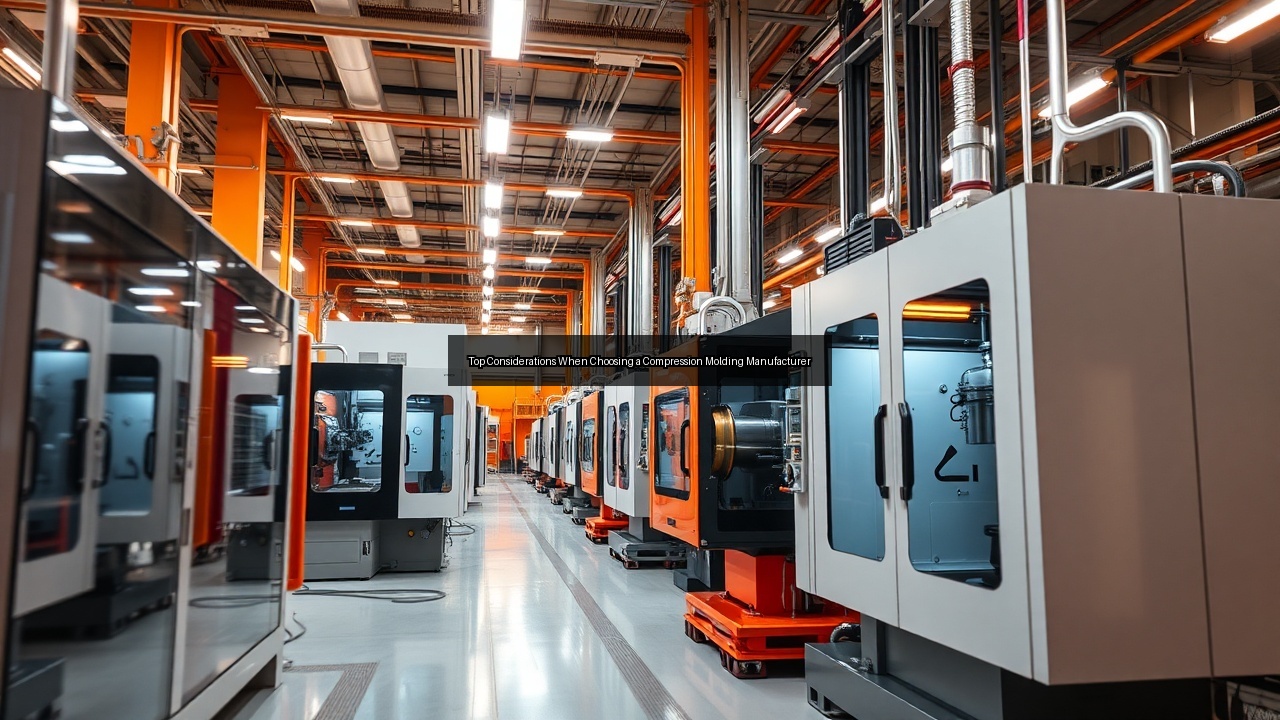
Understanding Compression Molding
Overview of Compression Molding Processes
Compression molding stands out as one of the most efficient techniques in the manufacturing of various plastic and rubber products. This process involves placing a pre-measured amount of material, typically in the form of a pellet or sheet, into a heated mold. The mold then closes, applying heat and pressure to the material, which causes it to flow and fill the mold cavity. Once the material cools and solidifies, the mold opens, revealing the finished compression molded product. This process is particularly popular for creating large, intricate components where precision and durability are paramount. Industries that benefit from compression molding include automotive, aerospace, and consumer goods, where robust and reliable parts are essential.
Key Benefits of Compression Molded Products
Compression molded products offer several advantages that make them a preferred choice for many manufacturers. Firstly, the ability to produce large parts efficiently translates into reduced production costs per unit, making it an economical option for bulk manufacturing. Secondly, the compression molding process allows for the use of a wide variety of materials, including thermoplastics and thermosets, which can enhance the performance characteristics of the final product. Additionally, this method supports intricate designs and can accommodate complex geometries, ensuring that manufacturers can meet specific design requirements. Lastly, compression molded products exhibit excellent dimensional stability and mechanical properties, making them ideal for applications in hardware, automotive components, and even food and beverage packaging.
Comparison with Alternative Methods like Injection Molding
While both compression molding and injection molding serve the same purpose of manufacturing plastic products, they differ significantly in their processes and applications. Injection molding involves injecting molten plastic into a mold, allowing for faster cycle times and higher precision, particularly for smaller parts. However, compression molding excels in producing larger parts and can handle materials that may not be suitable for injection molding due to viscosity issues. Furthermore, the initial setup costs for injection molding can be higher due to the need for more complex machinery, while compression molding may require simpler equipment. Ultimately, the choice between these methods compression molding service hinges on the specific requirements of the project, including volume, part complexity, and material selection.
Factors to Evaluate When Choosing a Manufacturer
Experience and Expertise in Compression Molding
When selecting a compression molding manufacturer, assessing their experience and expertise in the field is crucial. A manufacturer with extensive knowledge of compression molding processes will likely have refined their techniques over time, leading to better quality and efficiency in production. Look for companies that have been in the industry for several years and possess a solid track record of delivering high-quality products. Additionally, consider their technical expertise in specific materials and applications relevant to your project. Manufacturers that specialize in particular industries, such as automotive or medical, often have insights and capabilities that can enhance the overall quality of your compression molded parts.
Quality Assurance Processes and Standards
Quality assurance is a cornerstone of reliable manufacturing, especially in compression molding. A reputable manufacturer should adhere to strict quality standards, such as ISO certifications, which demonstrate their commitment to maintaining consistent quality throughout the production process. Evaluate the manufacturer’s quality assurance processes, including the methods they use to inspect and test their products. Regular audits and inspections during compression molding service production can help identify potential issues early on, ensuring that the final compression molded products meet the necessary specifications. Manufacturers that incorporate advanced quality control technologies, such as automated inspection systems, often deliver superior products that ensure customer satisfaction.
Capabilities in Custom Compression Molds
Customization plays a pivotal role in the success of compression molding projects. A manufacturer’s ability to design and fabricate custom compression molds tailored to specific requirements can significantly impact the final product's quality and performance. Inquire about the manufacturer’s experience in designing molds for unique applications and their capabilities in producing complex geometries. A versatile manufacturer will be able to handle various mold designs, whether you need a multi-cavity mold for high-volume production or a specialized mold for a unique application. Their ability to adapt to your specific needs can streamline the production process and enhance the overall efficiency of your project.
Industry-Specific Considerations
Compression Molding in the Food and Beverage Sector
The food and beverage sector presents unique challenges and regulations that compression molding manufacturers must navigate. Products intended for food contact must comply with stringent safety standards to ensure they do not leach harmful substances into consumables. When selecting a manufacturer for food-related applications, ensure they possess the necessary certifications and experience in producing compliant compression molded products. Additionally, the materials used in the manufacturing process must be free from contaminants and suitable for food contact. Manufacturers with expertise in this sector can provide guidance on material selection and design considerations that align with safety regulations.
Applications in Pharmaceuticals and Medications
In the pharmaceutical industry, precision and compliance take center stage. Compression molded components often find applications in packaging, delivery systems, and medical devices. Selecting a manufacturer with experience in producing medical-grade compression molded products is vital. Such manufacturers understand the rigorous quality standards and regulatory requirements necessary for pharmaceutical applications. They must also implement strict quality control measures to ensure that every product meets the necessary specifications. Collaborating with a manufacturer familiar with the complexities of the pharmaceutical industry can significantly enhance the reliability and safety of your products, ensuring they meet both regulatory standards and consumer expectations.
Importance of Compliance in Manufacturing
Compliance is a fundamental aspect of manufacturing across all industries. Regulations governing material safety, quality standards, and environmental impact play a critical role in maintaining product integrity. When selecting a compression molding manufacturer, prioritize those who demonstrate a proactive approach to compliance. This includes adhering to industry-specific regulations, such as FDA guidelines for medical devices or food safety standards for food packaging. Manufacturers that invest in compliance not only mitigate risks associated with product failures but also enhance their reputation in the market. A manufacturer with a solid commitment to compliance will ensure that your compression molded products are safe, reliable, and market-ready.
Evaluating Manufacturer Services
Support Services Offered by Compression Molding Manufacturers
The range of support services offered by compression molding manufacturers can significantly impact the efficiency of your project. Look for manufacturers that provide comprehensive support throughout the production process, from initial design consultation to final delivery. Effective communication is essential, so opt for manufacturers who are responsive and willing to collaborate closely with your team. Additionally, manufacturers should offer technical support for any issues that arise during production, ensuring that your project stays on track. A manufacturer that prioritizes customer service can help you navigate challenges efficiently, resulting in a smoother production experience.
Fabrication and Design Services
Fabrication and design services are critical components of the compression molding process. A skilled manufacturer should offer design assistance to help optimize your product for manufacturability. This might involve refining the design to ensure efficient material flow and reducing production costs. Collaborating with a manufacturer that has in-house design and engineering capabilities can lead to innovative solutions tailored to your specific needs. Moreover, they can provide valuable insights into material selection and other design considerations, resulting in high-quality compression molded products that meet your specifications.
Maintaining Quality and Efficiency in Production
Efficiency and quality must go hand in hand in the compression molding process. Choose a manufacturer that employs advanced technology and methodologies to maintain high production standards. Automated processes can enhance production speed while ensuring precision in mold filling and part extraction. Additionally, a manufacturer that utilizes data analytics to monitor production metrics can identify areas for improvement, contributing to overall efficiency. Regular training for staff on the latest molding techniques and quality control measures further ensures that the manufacturer consistently delivers high-quality compression molded products that meet or exceed expectations.
See Also
- The Environmental Benefits of Using Compression Molding Techniques
- The Role of Compression Molding in Food and Beverage Packaging
- Comparing Compression Molding and Other Molding Processes for Effective Solutions
- Creating Complex Shapes with Advanced Compression Molding Technology
- Why Compression Molding is the Go-To Choice for Durable Hardware